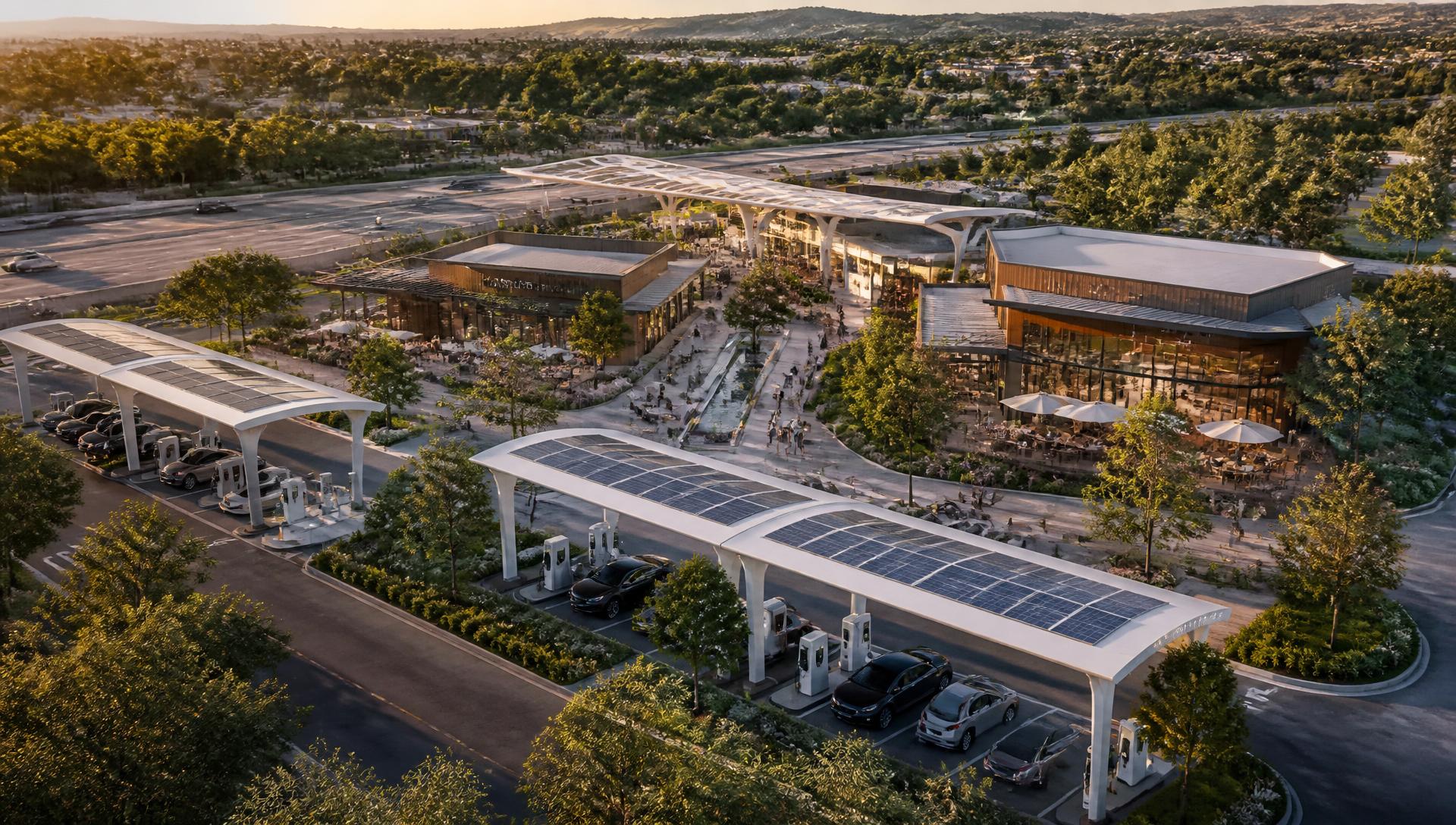
Concept-stage infrastructure development
The Future of the American Roadside Stop.
Safe, accessible, family-first EV mobility destinations built with cities, utilities, developers, charging networks, restaurants, and investors.
A neutral, multi-network destination platform — not a single charging brand. Designed to accommodate compatible providers, subject to individual agreements.
The vision book
Eleven chapters. One destination.
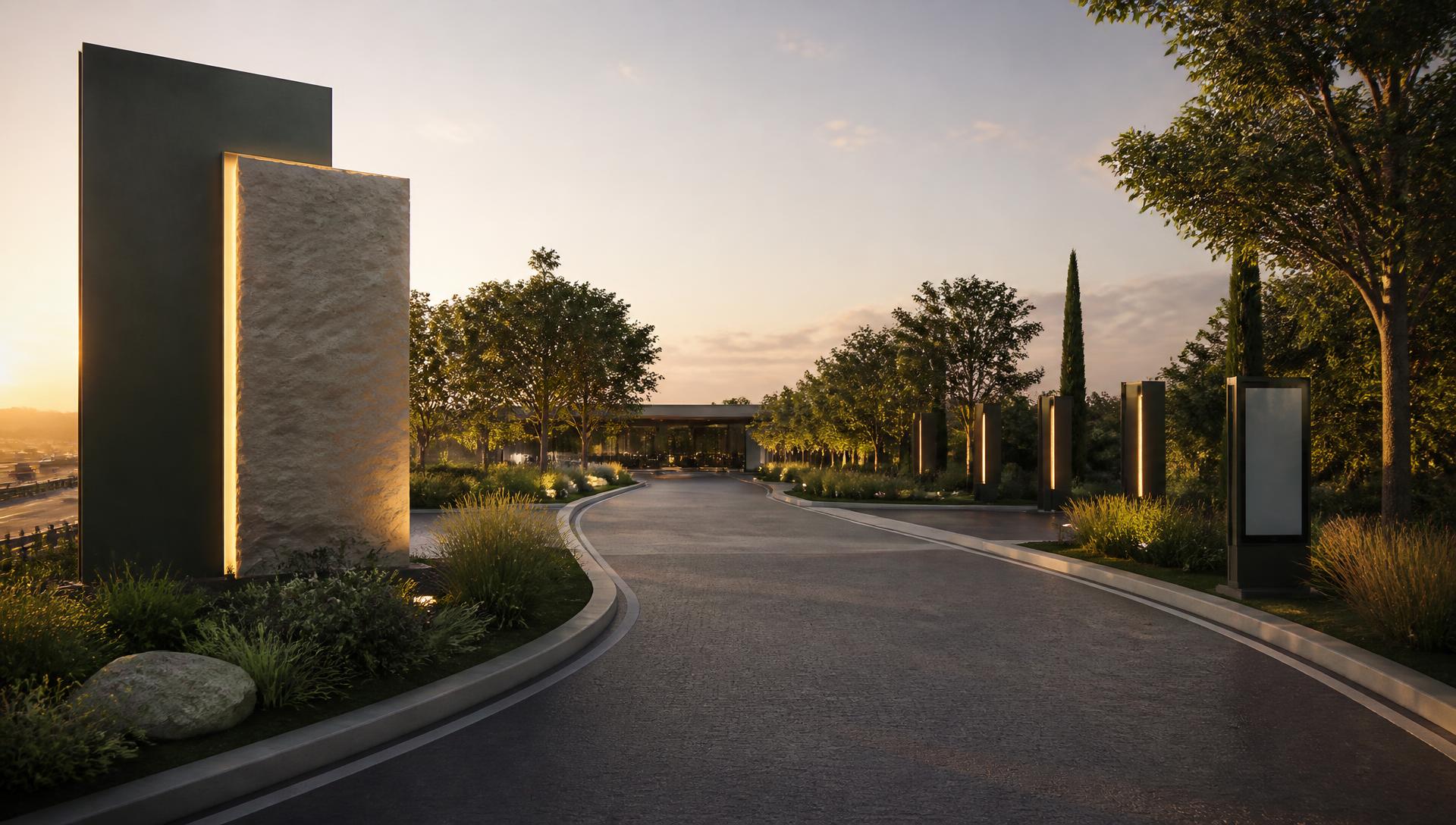
Arrival, charging, family village, sensory play, restaurants, security, rideshare, accessibility, night, and two regional variants — each examined the way a development proposal would.
The site plan
A protected family core, with vehicles kept at the perimeter
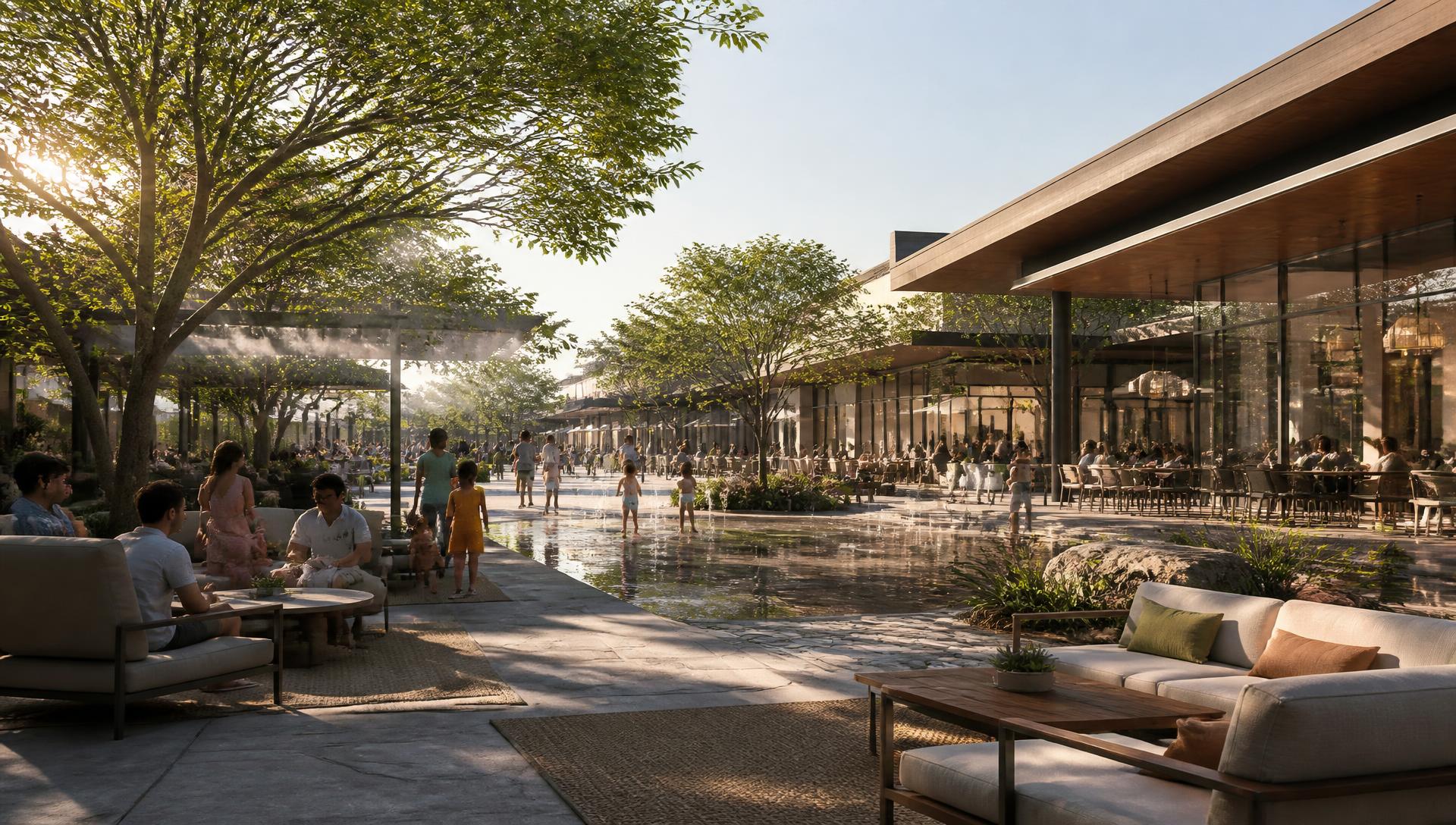
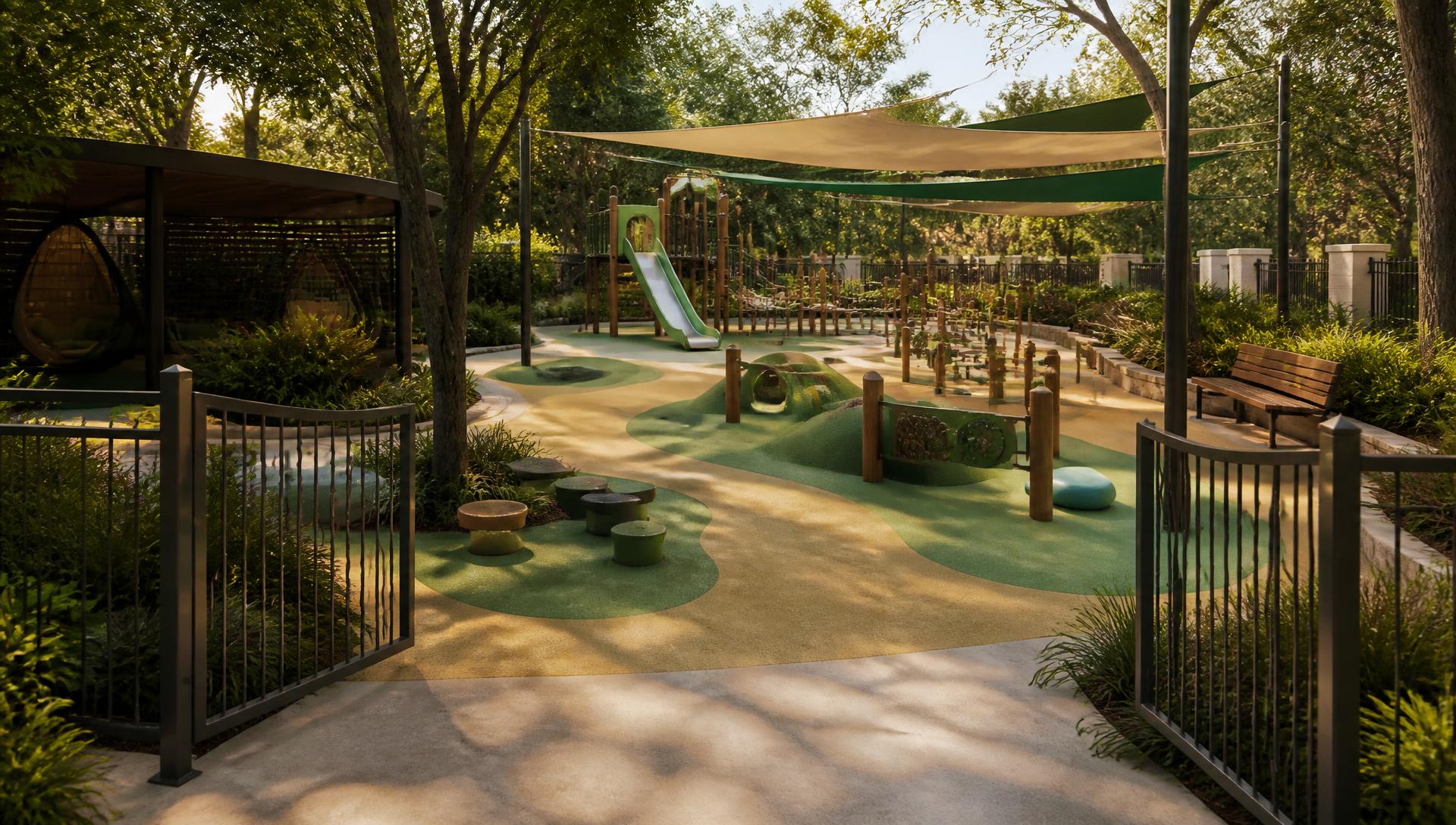
Every hub is planned around a pedestrian center. Charging, circulation, rideshare, and service traffic stay outside the promenade, so families never cross moving vehicles to reach the play area.
Scroll or pinch to zoom, drag to pan, tap a zone to open its chapter
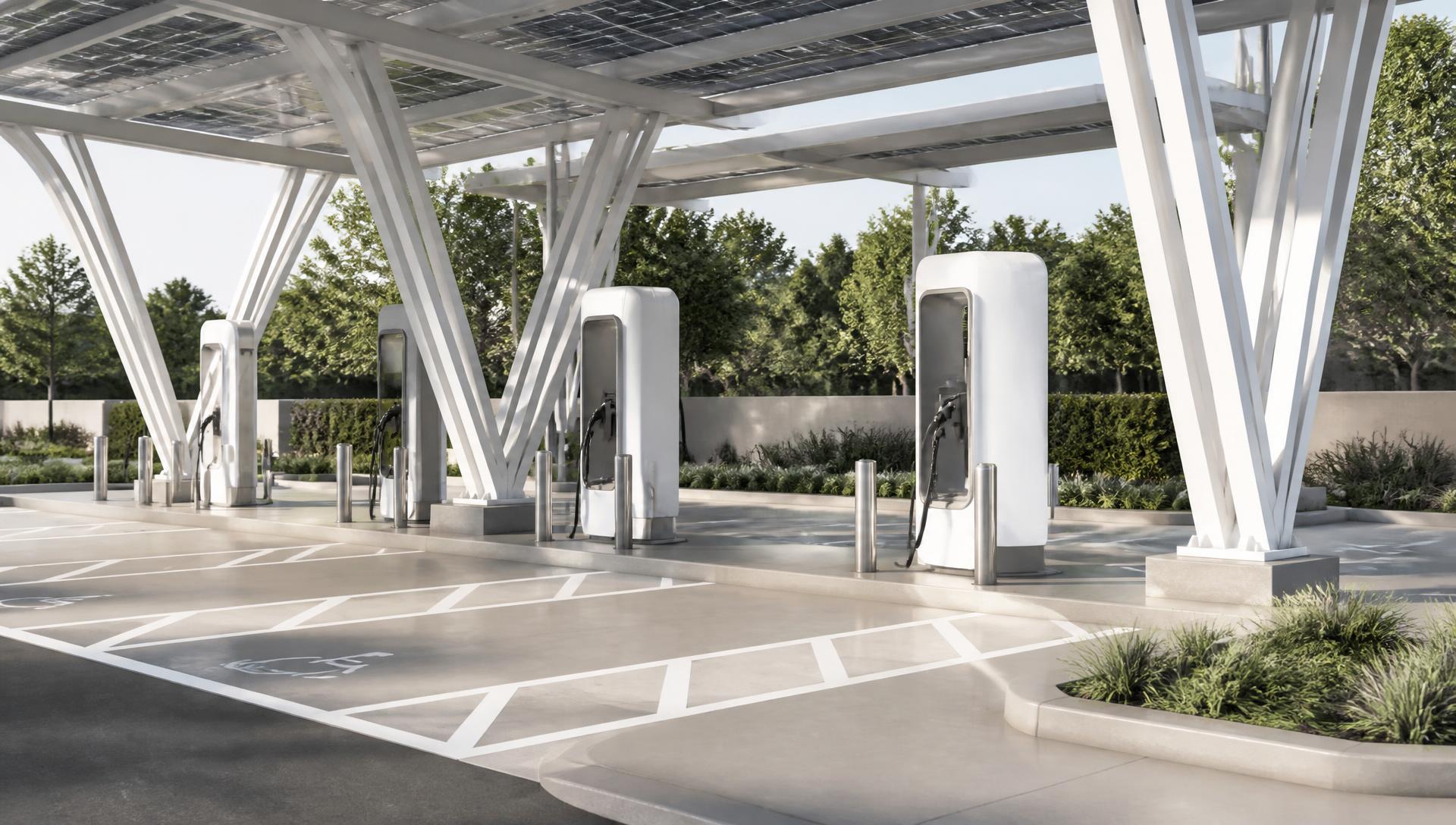
- 01Charging perimeter
Multi-network stalls, canopies, accessible aisles
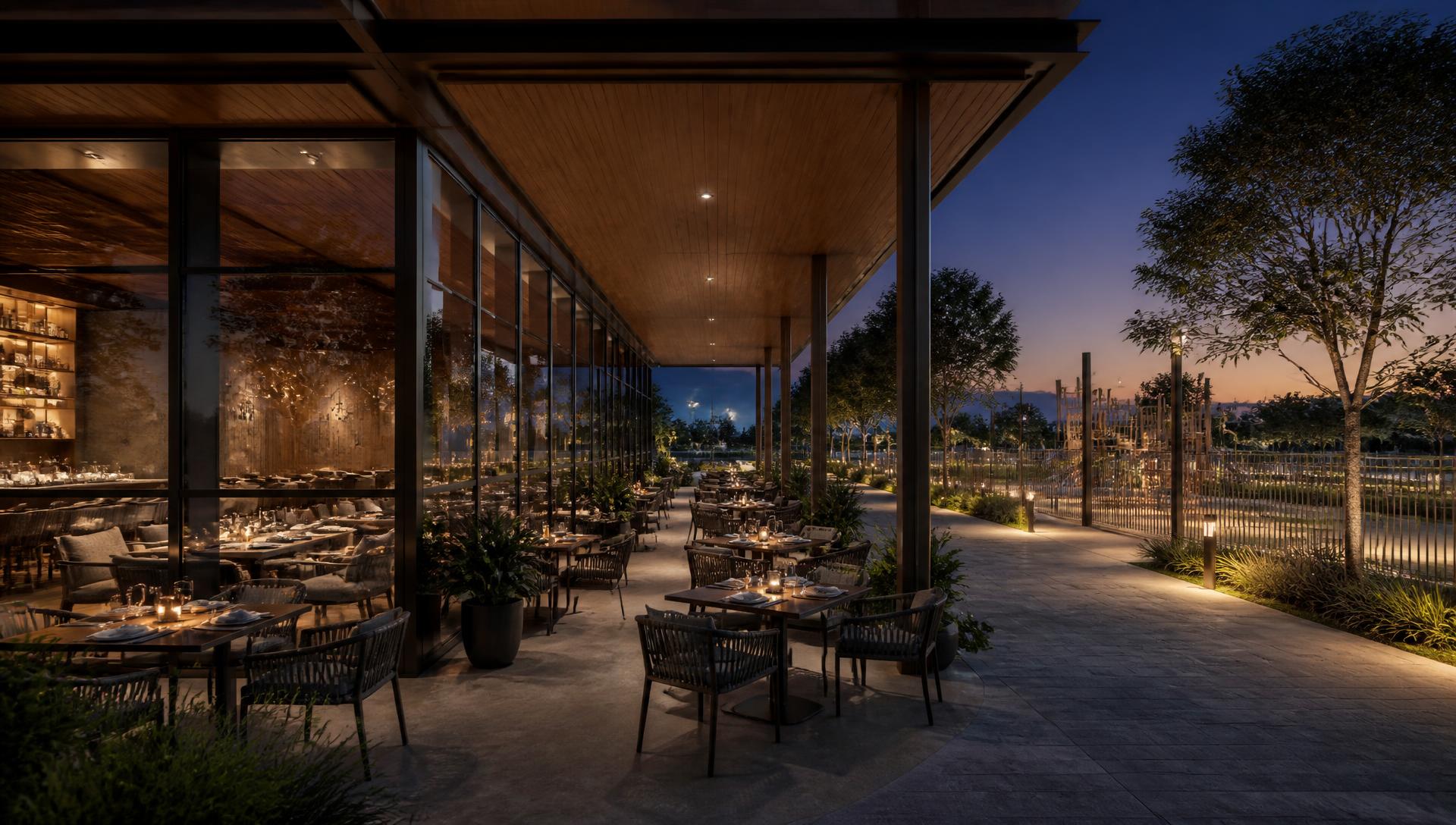
- 02Restaurant & retail edge
Patios face the pedestrian core
- 03Family village promenade
Shaded, misted, vehicle-free walking spine
- 04Gated sensory playground
Double-gated play at the protected core
- 05Rideshare zone
Separated pickup and drop-off
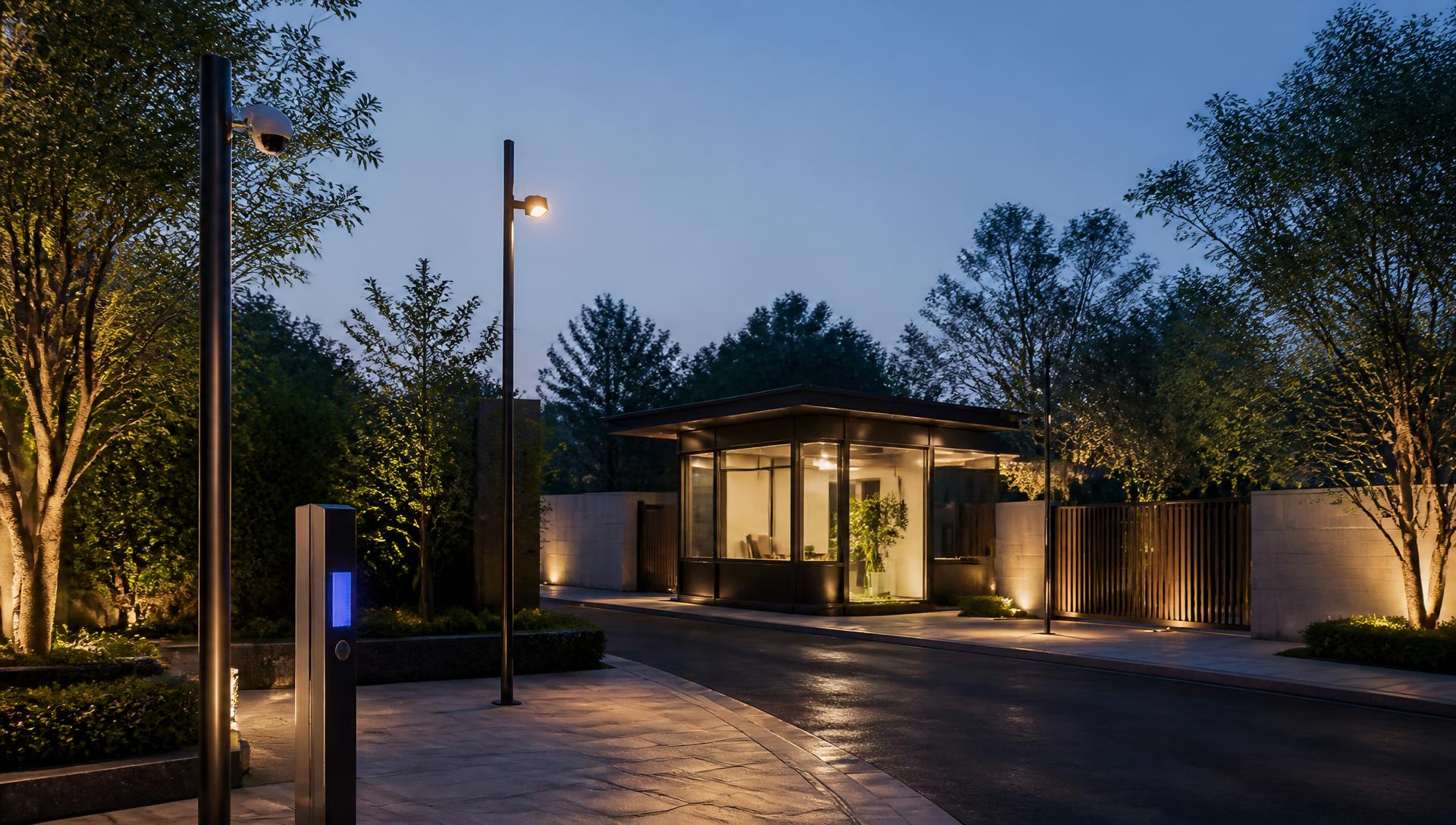
- 06Service, delivery & security
Back-of-house routing, cameras, call stations
- 07Solar, storage & utilities
Canopies, battery, switchgear, night lighting
Partner pathways
Six ways to participate
Sentinel Mobility Hub is built through partnership. Each pathway explains why we need you, what you may contribute, what we provide, and what the next step looks like.
Cities & Smart City Partners
Economic development, public charging access, smart-city integration.
View pathwayUtility Partners
Early load planning, make-ready, storage, resiliency.
View pathwayProperty Owners & Developers
Ground lease, JV, pad-site and mixed-use integration.
View pathwayCharging Networks
Neutral multi-network host sites with branded zones.
View pathwayRestaurant & Retail Partners
Pads, fast casual, coffee, local vendors, travel services.
View pathwayInvestors
Concept-stage capital for development and rollout.
View pathwayWhy now
The window for corridor infrastructure is open
EV adoption is outpacing destinations
Vehicle electrification keeps accelerating, but the roadside experience has barely changed. Drivers now spend 20–40 minutes at a stop instead of five.
Charging gaps along real travel routes
Long stretches of interstate and state highway still lack dense, reliable, multi-network fast charging with real amenities.
Family travel needs are unmet
Parents and caregivers need a safe place for children to move, eat, and reset — not a dark parking lot beside moving traffic.
Accessibility is still an afterthought
Wheelchair users, side-entry van drivers, caregivers, and sensory-sensitive travelers are routinely designed around instead of designed for.
Cities are pursuing smart-city goals
Public agencies are seeking charging access, resilience, safety, and activated commercial nodes that serve residents and visitors alike.
Corridors are being built now
Utility make-ready planning, land assembly, and network siting decisions being made today will define the next twenty years of travel.
Signature features
What makes a Sentinel hub different
Amenities and systems planned into each site from day one, rather than added after the asphalt is poured.
Multi-network charging
A neutral site designed to accommodate several compatible charging providers in distinct, clearly wayfound zones.
Protected family core
A pedestrian promenade with no vehicle traffic surrounding the children's area, with bollards, fencing, and buffers.
Universal accessibility
Accessible charging stalls with transfer space, curb-free routes, family restrooms, and adult changing tables.
Sensory-aware design
Double-gated sensory play, quiet rooms, shade, and misting for travelers who need a calmer environment.
Restaurants & local retail
Restaurant pads and local vendors with patio dining oriented toward the pedestrian core.
Solar canopies & storage
On-site generation and battery storage planned for resiliency, demand management, and grid services where available.
Traveler essentials
Coffee, convenience retail, phone charging, Wi-Fi, windshield cleaning, and trash and recycling.
Dog relief & comfort
Dedicated pet relief areas, shaded seating, and misted rest space away from vehicle circulation.
Future-ready technology
Wayfinding, reservations, uptime monitoring, and smart-city integration designed in from the start.
Revenue streams
A diversified destination, not a single-line business
Sentinel hubs are planned to earn from charging, real estate, food and retail, services, and energy — reducing dependence on any one stream.
- Charging revenue share or operator income
- Ground rent and tenant rent
- Retail percentage rent
- Membership and reservation perks
- Fleet charging contracts
- Advertising and sponsorship
- Events and pop-ups
- Data and technology services where legally permitted
- Property appreciation where land is owned
- Solar, storage, and grid-service opportunities where available
Pilot markets & corridors
Starting in Greater Sacramento, planned for the West
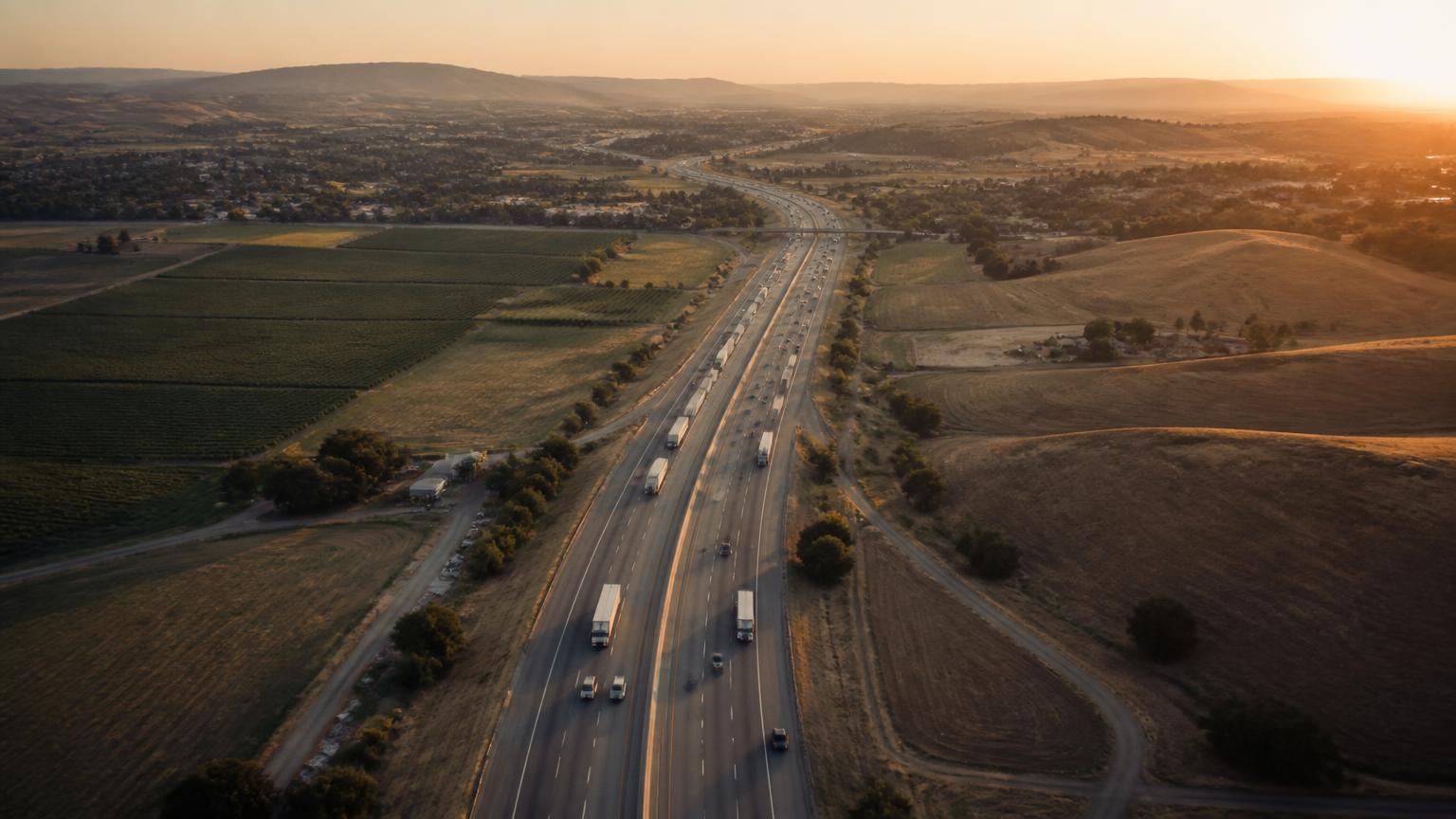
Corridor strategy first, specific sites second. Named markets below are target study areas, not secured or approved locations.
Greater Sacramento pilot cluster
- West Roseville
- Rancho Cordova
- West Sacramento
- Sacramento Railyards
Northern California gateways
- Bay Area gateway corridors
- I-5 north and south
- Highway 99 Central Valley
Coastal and southern reach
- US-101 corridor
- Southern California connections
Interstate expansion states
- Nevada
- Arizona
- Texas
Sentinel Mobility Hub is a concept-stage development company. No named company, city, utility, or charging network is a current partner. References to brands describe target or potential partners and site designs intended to accommodate them, subject to individual agreements, technical feasibility, and approvals.
Next step
Request a meeting with the development team
Whether you represent a city, a utility, a landowner, a charging network, a restaurant group, or capital, the first step is a short introductory conversation.